Mobile Home Mold Removal in Lincoln Park, MI
Mold removed from affected rooms and accessible underbelly materials in your Lincoln Park manufactured home. Call 24/7 to start your assessment and cleanup.
- Underbelly and subfloor checked
- Containment and HEPA filtration
- Moisture source addressed first
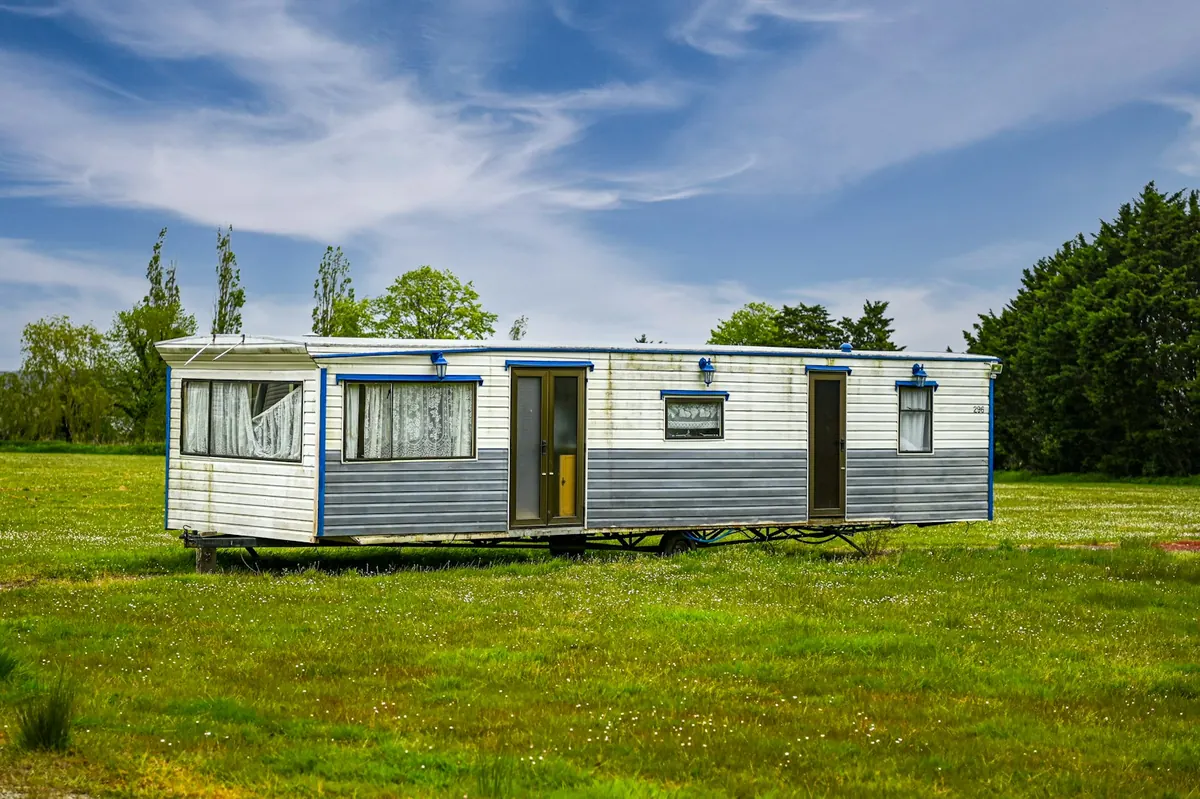
Mobile Home Mold Removal Services in Lincoln Park
Removal and cleaning cover the underbelly, floors, ceilings and wall panels in your manufactured home. Unsalvageable materials come out. Surfaces that remain sound are dried after cleaning.
In either a double-wide or single-wide home, your mold assessment includes the belly board under the floor. Inspection follows moisture around accessible HVAC ducts, plumbing, window areas and openings in the roof.
Your written plan specifies the removal area and contained entry, with repair work defined separately. Wall mold may mean opening affected panels. Checks beneath your floor assess its covering, insulation and subfloor.
- Wall panel and ceiling cleanup
- Subfloor and framing cleaning
- Affected underbelly insulation removal
- Pipe and Duct Areas Checked for Moisture
- Final Drying Checks After Contained Removal
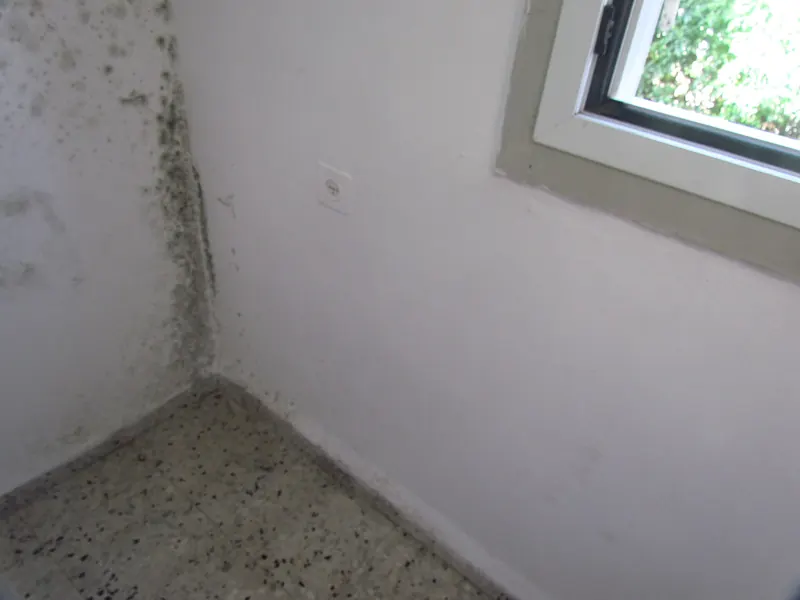
Signs You Need Mobile Home Mold Removal
Hidden damage may be behind your wet insulation, soft floors or growth that returns.
Sagging Underbelly Covering
An assessment of enclosed materials is warranted by visible tears, loose hanging insulation or water dripping beneath your home.
Your Mobile Home Ceiling Has Spots
A roof leak may show up as visible mold growth or expanding stains around roof openings.
Soft Mobile Home Floors
A plumbing leak or damp subfloor may leave floor coverings lifting and areas near fixtures soft.
Musty Smell Near Floor Registers
A lingering smell around an HVAC duct or floor opening may occur with hidden dampness under your living space.
Damp Mobile Home Walls
Below your windows, panel swelling or finish peeling may point to hidden moisture and a window leak.
Your Mobile Home Mold Removal Process
Cleanup tracks dampness through cavities that can be reached. Your containment stays up until final checks are complete.
Mobile Home Assessment
Begin your call by describing damage and access. A thermal imaging camera shows temperature variations without identifying mold; a moisture meter maps where materials are damp.
Moisture Source and Scope
Leaks are assessed alongside under-floor moisture and ventilation. Your scope separates cleanup from source repairs, including any crawl space vapor barrier work.
Work Area Containment
Poly sheeting forms a containment barrier. Protective equipment, negative air pressure and a HEPA air scrubber limit dust and mold spores during removal.
Damaged Material Removal
Insulation affected by mold, panels beyond recovery and damaged flooring come out as necessary. Belly board openings match the assessed area; debris goes into bags inside containment.
Cleaning Retained Surfaces
Sound subfloor and framing are cleaned using a HEPA vacuum and surface cleaning. Non-porous surfaces are cleaned and dried; antimicrobial treatment does not replace cleaning.
Controlled Drying
A dehumidifier and air movers support drying after removal and cleaning. Moisture readings track progress; source corrections precede enclosure with replacement materials.
Verification and Containment Removal
Cleaning, drying and agreed post-remediation verification precede containment removal. When specified, clearance testing by an independent assessor occurs before the area is enclosed with replacement materials.
Mobile Home Mold Removal: Why Choose Detroit Mold Removal Services
Calls Answered 24/7
Use one number to begin cleanup of your manufactured home anywhere in the metro, whether day or night.
Clear Scope Before Removal
Your scope defines removal, underbelly access and separate repairs before work starts.
Mobile Home Moisture First
Your pre-cleanup assessment follows where water enters, both beneath the floor and above the floor.
Contained Work With HEPA Filtration
Containment and filtration are matched to your affected area and debris route.
Removal Through Final Checks
Sound surfaces undergo cleaning and drying, damaged insulation comes out, and containment removal follows verification.
Preparing for Mobile Home Cleanup in Wayne County
Keep affected rooms and the underbelly undisturbed before assessment.
- Keep Your Belly Board and Panels Intact. Keep insulation up and do not open cavities.
- Keep away from soft flooring. Stay clear of wet electrical equipment and damaged walking areas.
- Prevent Entry Into the Affected Area. Keep visible growth off limits to children and pets.
- Avoid spreading particles. EPA guidance calls for keeping a potentially mold-contaminated HVAC system switched off.
- Arrange prompt drying. EPA recommends preventing mold growth by drying water-damaged items and areas within 24 to 48 hours.
Your Mobile Home Mold Removal Cost in Lincoln Park
These ranges from Fixr cover remediation generally, rather than manufactured homes alone. Materials affected and access below your floor set the cleanup cost.
Typical national range, average $3,500
$1,500 to $9,000 per jobSource: Fixr, Mold Remediation Cost (checked 2026-10-23)Professional rate for areas over about 10 square feet
Each square foot costs $10 to $30Source: Fixr, Mold Remediation Cost (checked 2026-10-23)Mold Covering Roughly 50 Square Feet
$500 to $1,500 per jobSource: Fixr, Mold Remediation Cost (checked 2026-10-23)Mobile Home Cleanup Cost Factors for Your Property
- Under-floor clearance and skirting access
- Insulation and damaged panel removal
- Affected square footage
- Containment, cleaning and drying equipment
- Separate Costs for Testing, Rebuilding and Moisture Repairs
Cleanup Pricing for Your Manufactured Home
These published national ranges are planning figures. Your on-site assessment defines the work and price before cleanup starts, including any separate source repairs or rebuilding.
Call (844) 352-3560 about costMobile Home Mold Removal Service Area Across Greater Detroit
Call (844) 352-3560 to arrange cleanup in Lincoln Park or nearby communities. One number covers the metro.
Mobile Home Mold Removal in Locations Near Lincoln Park
ZIP codes
Answers to Mobile Home Mold Removal Questions in Lincoln Park
Is staying in your manufactured home possible during cleanup?
You may remain at home if containment and the debris path stay separate from the rooms you occupy. A narrow layout, shared ventilation or interrupted utilities can make staying impractical. Your access restrictions and any need to relocate temporarily are established during assessment ahead of removal.
How much time should you expect mobile home cleanup to take in Lincoln Park?
Your schedule follows assessment of affected rooms, underbelly access and material condition. Removal takes more time where clearance is restricted; drying wet subfloor may also take longer. That stage follows moisture readings. Reopening your space also depends on repairs and the final checks.
Does the whole floor or underbelly have to come out?
What needs removal depends on assessed damage. You may be able to clean and dry sound subfloor and framing. Removal may be necessary for moldy insulation, deteriorating flooring and damaged panels. The belly covering is opened where access is needed, with replacement and structural repairs defined separately in your scope.
Is testing needed before or after manufactured home cleanup?
For visible mold, EPA often does not call for air sampling. Your affected area is determined through inspection and checks for moisture. Containment stays up after removal until cleaning and drying have been checked. An assessor independent of removal conducts any specified clearance testing. There is no federal limit for mold levels indoors.
What affects mobile home mold remediation cost in Wayne County?
Your price depends on insulation volume, access below the floor, the affected area and condition of materials. Sources and units accompany general nationwide price ranges in the cost cards. Repairs, replacement finishes and independent testing can add separate charges. Your price and the scope of work are explained before starting.
After your mobile home is cleaned, might mold grow again?
Mold can return if moisture remains. Before cleaning, your assessment tracks condensation, leaks and moisture underneath the floor. Correct sources and finish drying before installing replacement materials. After cleanup, continue moisture control by maintaining sound repairs to your plumbing, windows and roof.
Are repairs to leaks and damaged belly covering included too?
Repair needs and moisture issues are identified along with cleanup. Your scope must list plumbing, roof work, insulation replacement and belly covering repairs for those tasks to be included. Drying and verification are completed before new materials close the under-floor space, with repairs defined before removal starts.
Your Mobile Home Cleanup and Insurance in Michigan
Your policy terms, deductible, exclusions, mold limits and the reason for moisture determine coverage. Decisions may differ for leak repair, cleanup and materials used to rebuild.
Safety Around Mobile Home Mold Throughout Greater Detroit
Containment with restricted access reduces disturbance beneath your floor and inside affected rooms.
Mobile Home Floor Condition
A repair assessment must precede placing people or equipment on an area with soft subfloor.
Sensitive Occupants
CDC notes that mold can trigger allergy and asthma symptoms in some people.
Mold Color
CDC explains that the risk of mold is not revealed by color.
Underbelly Access
Getting beneath your home is affected by limited clearance, surrounding utilities and skirting.
Cleanup scope: EPA says areas under about 10 square feet can often be homeowner-cleaned. Larger areas or HVAC systems need professional help, as does mold from sewage or from contaminated water.
Mobile Home Cleanup in Wayne County: Materials to Clean or Remove
Your materials stay or are removed according to their condition.
Sound surfaces
- Your sound framing and subfloor, together with intact glass, metal and tile, may undergo cleaning and drying.
Damaged porous materials
- Removal covers damaged panels, flooring beyond salvage and moldy insulation where necessary.
Underbelly and finishes
- Assess damaged structural floor sections and belly covering for repair, then replace after drying.
Mobile Home Cleanup in Wayne County: Understanding the Timeline
Your schedule follows access, removal, drying and repairs.
- Access beneath the home: Low clearance and skirting can extend removal.
- Hidden damage: Opening affected panels or belly board may reveal additional removal needs.
- Drying and completion: Readiness for replacement materials depends on final checks alongside moisture readings.
Addressing Mobile Home Odor and Humidity in Lincoln Park
Musty odor is investigated through moisture checks. Smell alone cannot define the removal area; fragrance does not correct the source.
EPA advises keeping indoor relative humidity ideally at 30 to 50 percent and below 60 percent. Your dehumidifier cannot fix leaks in plumbing or the roof.
Mobile Home Cleanup Requirements for Your Michigan Property
Mobile Home Work Requirements
The Michigan Department of Health and Human Services says the State of Michigan does not offer certification for mold remediators or mold testing companies. If you are hiring someone, ask about their training and experience, and check your local contractor rules.
Repair Permits
Whether permits are required depends on included electrical, plumbing or structural work.
EPA Drying Guidance
Preventing mold growth calls for drying water-damaged items and areas within 24 to 48 hours.
State Mold Information
The Michigan Department of Health and Human Services (MDHHS) publishes mold fact sheets and takes questions at 800-648-6942. It says it cannot test your home for mold and does not recommend mold testing.
State guidance: MDHHS: All About Mold
Related Services and Next Steps
Start Your Mobile Home Mold Removal in Lincoln Park
Call 24/7 to arrange your assessment. Your cleanup starts with the affected surfaces, moisture source and access to your home.